Thinking about using Northport as your boating base in Grand Traverse Bay? You are not alone. The village sits at the peninsula’s northern tip, with fast access to sheltered cruising and a quieter pace than larger ports. In this guide, you will learn how marinas, launches, and mooring work here, what services to expect, and how to plan a safe, smooth season. Let’s dive in.
Why Northport works for boaters
Northport gives you direct access to the West Arm of Grand Traverse Bay, which is more protected than open Lake Michigan. You can day sail to Suttons Bay, Traverse City, and small harbors along the Leelanau shoreline. When conditions are right, you can also exit the bay for Lake Michigan runs to places like Sleeping Bear Dunes, with conservative weather planning.
If you want a quieter second-home base that still keeps you close to classic Grand Traverse cruising, Northport checks the box. Just plan ahead for fueling and major service, which are often concentrated in Traverse City.
Marinas and launches at a glance
You will find a mix of village facilities and private operators serving seasonal and transient boaters. Since specifics can change year to year, confirm details directly with the local harbormaster or marina before you book. Focus on these points:
- Public launch ramps: Ask about ramp width and slope, trailer suitability for larger rigs, surface type, hours, and where to park a trailer for the day or week.
- Public docks and breakwaters: Check whether transient tie-up is allowed, the depth alongside, and if there is a short-term courtesy dock.
- Marinas and yacht clubs: Confirm seasonal vs transient slip counts, maximum LOA and draft, reservation policies, shore power ratings, water, Wi‑Fi, showers, laundry, and security.
- Mooring fields: Ask if the harbor offers seasonal or transient moorings, who manages them, how permits work, and any rules for tenders and shore access.
- Haul-out and storage: Find out if there is a travel lift or crane, winter storage options, and whether shore power is available for winter battery care.
Tip: The village harbormaster is usually your best first call for slip status, mooring permits, harbor rules, and seasonal dates. Private marinas may manage their own reservations and waitlists.
Slips vs moorings vs anchoring
Choosing the right home base comes down to convenience, cost, and how you use your boat.
- Seasonal slip: Most convenient for frequent use. You step aboard with shore power, water, and easy provisioning. Expect higher cost and possible multi-season commitments. Many owners pair a slip with yard services for winter.
- Mooring ball: Lower cost than a full slip and a good fit if you are comfortable using your dinghy to reach shore. You still need a plan for fuel, pumpout, and winter storage on land.
- Anchoring: Flexible and often free, but you must know the bottom composition, swing room, and any no-anchoring zones. Some harbors restrict overnight anchoring, so confirm with the harbormaster.
If you plan to sail every weekend, a slip can save time. If your visits are more occasional, a mooring or a mix of transient slips might be smarter. Large, deep-draft sailboats often favor slips for safe access to services.
Services to expect locally vs Traverse City
On-water services vary by port on Grand Traverse Bay. Before you base in Northport, confirm what is available on site and what you should plan to handle in Traverse City.
- Fuel: Verify local fuel availability for gasoline and diesel. When in doubt, plan to top off in Traverse City, which is the regional hub.
- Pumpout: Ask about pumpout service hours and seasonal availability. Build a routine stop into your cruising plan.
- Repairs and maintenance: Minor work may be available locally. For major engine, rigging, fiberglass, or sail work, plan ahead for regional service scheduling and parts lead times.
- Provisions and parts: Stock up before holiday weekends and events. Summer demand can stretch supply chains, especially for specialty items.
A practical seasonal calendar
Northern Michigan’s boating season is compact. Plan early to secure space and services.
- April to May: Spring thaw and launch window. Confirm marina opening dates and harbor dredging updates. Book early-season service, battery checks, and first pumpout.
- June to August: Peak season. Reserve slips and moorings well in advance for weekends and festivals. Expect higher transient demand and busier launch ramps.
- September to October: Shoulder season with cooler temps and stronger fronts. Enjoy lighter crowds, but check forecasts more often and plan earlier returns to harbor.
- November to March: Winterization and storage. Ice limits access. Many owners haul out, shrink-wrap, stabilize fuel, and maintain batteries on shore power.
Safety, navigation, and local rules
Grand Traverse Bay can shift quickly from calm to choppy. Treat every outing with respect.
- Weather and forecasts: Summer brings variable breezes and afternoon sea-breeze patterns. Fall often brings stronger northwest winds and quick temperature drops. Always review current marine forecasts before departure.
- Charts and aids: Use current NOAA charts and the U.S. Coast Guard Light List for navigation. Ask the harbormaster about any recent shoal changes or harbor entrance advisories.
- VHF and assistance: Keep VHF on and monitor Channel 16 for emergencies. TowBoatUS and SeaTow commonly serve Great Lakes communities. Check local coverage before you head out.
- Regulations: Make sure your vessel meets Michigan and federal safety requirements, including PFDs, visual signals, fire extinguishers, sound devices, and navigation lights. Follow posted no-wake zones, anchoring restrictions, and any mooring permit rules set by the village.
- Environmental care: Use pumpout stations for holding tanks, dispose of waste ashore, and follow any local guidance on cleaning and anti-fouling.
What to verify before you commit
Use this checklist when you evaluate a slip, mooring, or anchoring plan in Northport.
- Depths and approach: Depth at the slip or mooring, channel depths at typical low water, and any surge or crosswind issues at the dock.
- Mooring swing room: Minimum swing radius, recommended scope, mooring tackle condition, and visibility at night. Confirm tender storage and landing.
- Dock utilities: Shore power ratings, potable water locations, Wi‑Fi quality, and dock security.
- Fuel and pumpout: On-site availability and hours. If not on site, note your nearest reliable alternative and build it into your route.
- Maintenance access: Who handles engine, electrical, rigging, fiberglass, and sail work. Lead times for mobile contractors.
- Policies and paperwork: Insurance requirements, overnight guest policies, liveaboard rules, subletting options for second-home owners, and cancellation terms.
- Parking and logistics: Trailer storage, long-term vehicle parking, tender parking, cart access, and after-hours gate policies.
- Season dates: Opening and closing timelines for spring and fall, and any dredging or construction windows that affect access.
Sample day and weekend cruises
Use these ideas to map quick adventures from a Northport base. Always check weather, make reservations, and confirm services before departure.
- Suttons Bay day sail: An easy run for lunch, a walk, and a swim when weather is settled. Reserve transient space in advance for peak weekends.
- Traverse City overnight: Cruise to the head of the bay for dining, provisions, and fuel. Expect higher transient demand and plan your arrival window.
- Leelanau shoreline hop: Explore small harbors on the peninsula’s west side inside the bay for quiet anchorages when forecast allows.
- Open-lake window: On a calm, stable forecast, route outside Grand Traverse Bay toward Sleeping Bear Dunes or Good Harbor. Use conservative weather limits and return plans.
Anchoring and mooring etiquette
A little courtesy keeps the harbor safe and pleasant for everyone.
- Scope and chafe: Set appropriate scope for conditions. Inspect lines and chafe guards often.
- Spacing: Give neighbors room to swing. If wind shifts are expected, allow extra clearance.
- Visibility: Make sure your anchor light is on and gear is marked clearly.
- Weather watch: Keep an eye on forecasts. If thunderstorms build, be ready to shorten the day or move to a safer spot.
Planning for winter
If you are a second-home owner, lock in your winter plan by midsummer.
- Haul-out timing: Book lift slots early and confirm capacity for your LOA and weight.
- Storage type: Decide between indoor and outdoor storage. Confirm shore power and battery maintenance plans.
- Protection: Schedule shrink-wrap and ventilate properly to reduce moisture.
- Fluids and fuel: Stabilize fuel, change oil if recommended, and follow manufacturer checklists.
Next steps in Northport
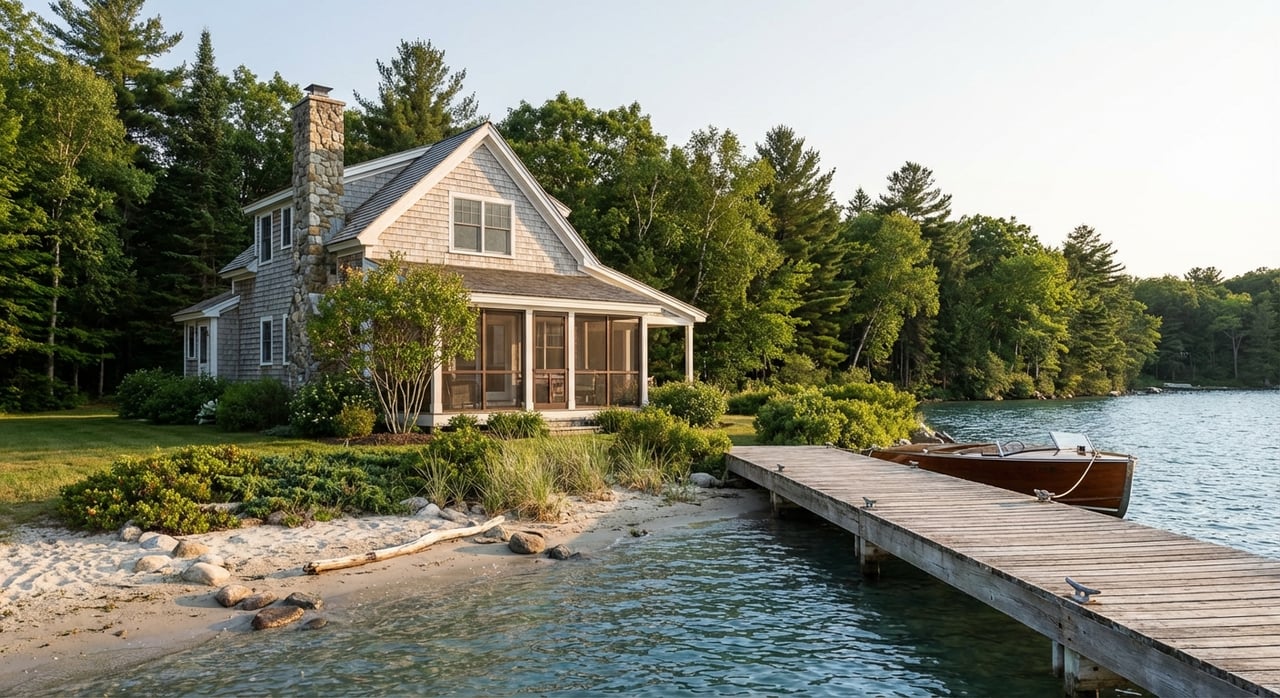
The best way to pick your setup is to tour the harbor, speak with the village harbormaster, and compare slip and mooring options side by side. Bring your boat’s specs, intended use, and a short list of must-have services. If you are also considering a waterfront home or a walk-to-harbor property, align your boating plan with your real estate goals to make seasonal life simpler.
If you want a local, strategic partner as you evaluate property near the water or along convenient launch corridors, reach out to Peter Fisher to schedule a Leelanau County consultation.
FAQs
How long is the boating season in Northport?
- Plan for April or May through October, with peak demand in late June to August and winter access limited by ice.
Does Northport have on-dock fuel and pumpout?
- Confirm availability with the harbormaster or marina; when uncertain, plan to fuel and handle services in Traverse City as part of your route.
Is overnight anchoring allowed in Northport harbor?
- Policies vary by harbor and season; check village harbor rules for any no-anchoring zones and overnight restrictions before you drop the hook.
What size boat can I bring into Northport?
- Verify maximum LOA, draft, and channel depths with the marina or harbormaster, especially during typical low-water periods.
Who do I call in an emergency on the water?
- Hail the U.S. Coast Guard on VHF Channel 16 for distress; use VHF to contact local marinas or the harbormaster for non-emergency harbor assistance.
Are TowBoatUS or SeaTow available in Grand Traverse Bay?
- These services commonly operate on the Great Lakes, but you should verify local station coverage and response areas before you depart.
When should I reserve a seasonal slip or mooring?
- Book as early as possible for June through August, and expect peak weekend and holiday periods to fill first.