If you are looking at a motel or inn property in Leland, the building itself is only part of the story. In a market shaped by seasonal tourism, harbor activity, zoning rules, and infrastructure limits, the best opportunities are often the ones that look straightforward on paper and still hold up under local review. This guide walks you through what matters most in Leland motel and inn conversion opportunities so you can evaluate a property with more confidence. Let’s dive in.
Why Leland Supports Lodging Uses
Leland is a small market, but it has durable tourism drivers. The Leland Township master plan describes the villages of Leland and Lake Leelanau as places that generate a large amount of tourist trade, and it notes that Leland Village’s harbor of refuge is typically full during the summer.
That local activity connects with wider regional demand. Sleeping Bear Dunes National Lakeshore recorded 1,589,248 annual visits, which helps explain why small inns and motel-style properties can perform here even with a strongly seasonal rhythm.
At the same time, you should not treat every tourism driver as fixed. The National Park Service says Manitou Island Transit will not operate in 2026 because of construction-related docking issues, with access expected to resume in 2027. If you are underwriting a lodging conversion, that is an important variable to keep in mind.
Zoning Comes First
In Leland, township zoning is the main entitlement layer for the unincorporated villages of Leland and Lake Leelanau. Under the Leland Township zoning ordinance, hotels and motels are treated as special land uses in both the Village Commercial and General Commercial districts.
That distinction matters because a conversion idea has to match the district and the use category. A property that seems ideal for a boutique inn may still need a different approval path than a mixed-use building, bed-and-breakfast concept, or condominium-style conversion.
The township’s 2024 draft master plan also suggests a policy direction that favors village mixed-use areas and more development options. That does not guarantee approval, but it does point toward support for adaptive reuse when it fits the surrounding fabric.
Village Commercial vs. General Commercial
Village Commercial is designed for pedestrian-oriented central business areas that serve both visitors and local activity. It allows residential uses on upper floors by right, but hotels, motels, and bed-and-breakfasts require special approval.
General Commercial is more auto-oriented, and it also treats hotels and motels as special land uses. For some conversion buyers, this district may offer a more practical fit because circulation, parking, and access can be easier to solve on a commercial-style parcel.
Not Every Conversion Is the Same
A motel conversion can take several forms, and the zoning path changes depending on the plan. In General Commercial, the ordinance specifically includes conversion of an existing structure to a condominium project as a special land use, provided building code and parking standards are met.
That means your best use is not always “keep it as-is and renovate.” In some cases, the more realistic path may be a mixed-use format, a revised lodging model, or another allowed commercial use that better fits the site’s physical limits.
Historic-Core Properties Need Extra Caution
Properties in or near the Fishtown Historic District deserve especially careful review. The zoning ordinance says the district is intended to preserve the historical integrity of Fishtown while allowing limited development, and the uses permitted by right are closely tied to preservation, waterfront access, fishing, retail and service activity, and mixed use.
The ordinance also notes short-term rentals only for the single-family dwelling at 206 West Cedar Street. If a proposed change does not fit district design guidelines, it may require added review by the Zoning Administrator or Planning Commission.
In practical terms, this means a historic-core site can be much more conversion-sensitive than a typical commercial parcel. Interior updates may be possible, but exterior character and design consistency can become the real constraint.
Parking and Access Can Make or Break a Deal
Many buyers focus first on room count, frontage, or renovation cost. In Leland, the more decisive issues are often parking, site circulation, and access.
The zoning ordinance requires off-street parking to be provided on-site or on an adjacent lot in most cases, and the township can waive added parking only in limited circumstances. For bed-and-breakfast uses, the ordinance requires one parking space per rented room in addition to the normal dwelling parking.
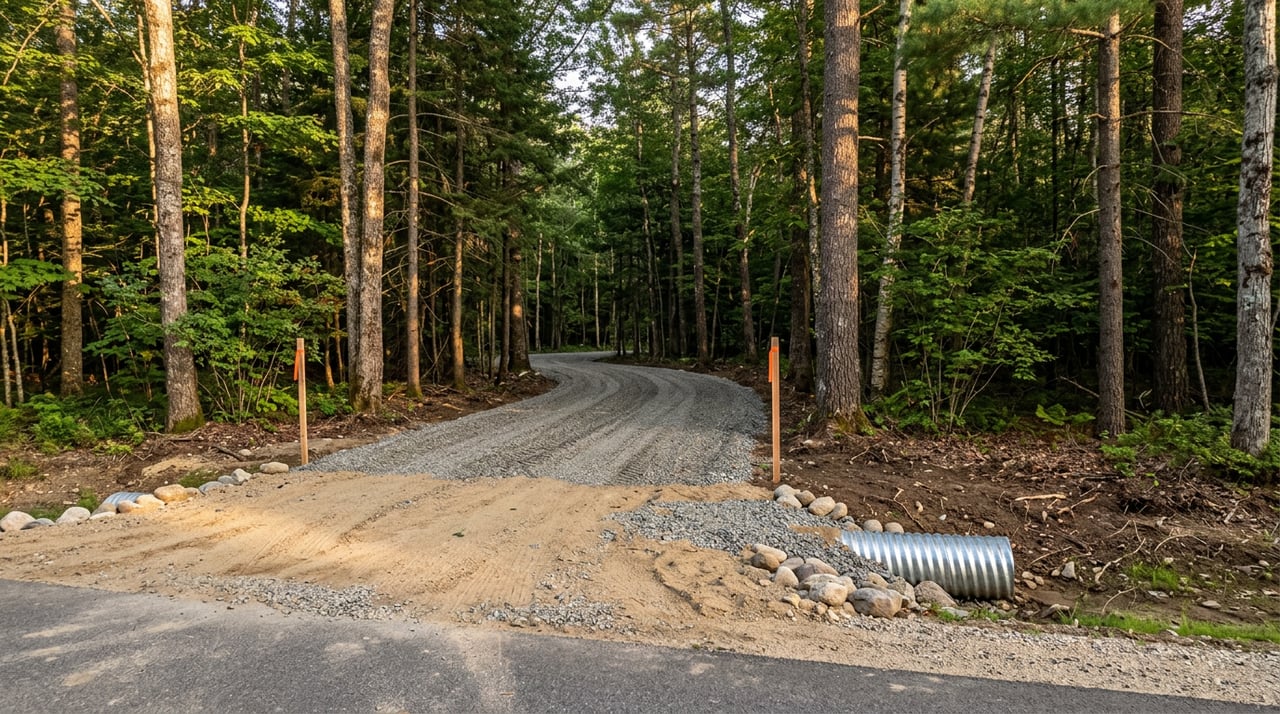
Access matters too. Motel access must be from a paved major thoroughfare, and no guest may establish permanent residence there.
The Leland Township recreation plan says Leland Harbor continues to experience increasing use, with interest in expanding park space, parking, and boat slips. That does not create a new zoning rule, but it does support a practical conclusion: parcels with surplus parking and easier circulation often have a meaningful advantage over tight in-town sites.
Why Tight Sites Are Harder
A charming location does not always equal a good conversion candidate. Small lots may struggle to satisfy parking, driveway movement, loading, guest circulation, and utility upgrades all at once.
That is especially true when you are trying to increase occupancy or shift the use type. A property with an existing footprint that already aligns with township standards is often cleaner to execute than a larger building that needs multiple exceptions.
Utilities and Permit Approvals Matter More Than Many Buyers Expect
Before excavation or building changes, the township requires a Land Use Permit, and the application must include a plot or site plan. For buildings intended for human occupancy, the township also requires county health department approval for private sewage disposal or notice of public hook-up, plus water-supply approval when needed.
The zoning administrator may also withhold permits until other required county, state, or federal permits are in place. In other words, a deal can stall even when the building layout seems workable.
Michigan public health guidance explains that local health departments regulate septic systems and private drinking-water wells. For older motels and inns, septic capacity, water supply, and wastewater handling should be treated as front-end feasibility items, not late-stage details.
Review Fees and Project Scale
Larger projects can trigger escrow review fees. Under the ordinance, that can apply when a proposal exceeds 12 dwelling units, 10,000 square feet, or 20 parking spaces.
That does not necessarily change the viability of a project, but it does affect your timeline and due diligence budget. If you are comparing multiple sites, this is one more reason to look at the full approval path before focusing on cosmetic renovation plans.
Underwriting Should Reflect Leland’s Real Operating Conditions
Leland’s lodging market can be attractive, but the operating model needs to be grounded in actual rules and seasonal demand. Michigan Treasury says lodging furnished by hotelkeepers, motel operators, and other public accommodations is subject to a 6% use tax, and local units cannot impose sales tax.
That tax treatment matters whether you are planning a boutique inn, a renovated motel, or another public-accommodation model. It is part of the operating structure, not just an accounting footnote.
Seasonality matters just as much. Harbor traffic, visitor patterns, and regional tourism support demand, but room revenue should still be modeled conservatively, especially when short-term disruptions like the 2026 island transit shutdown can affect travel behavior.
What Buyers Should Look For
If you are evaluating motel or inn conversion opportunities in Leland, focus on the basics that shape feasibility from day one:
- Existing commercial zoning or a use path that clearly fits the ordinance
- Paved-road access that supports the intended lodging model
- Enough parking and circulation for guests, staff, and service needs
- Water and septic systems that can support the planned occupancy
- Clear understanding of whether the site is in or near the Fishtown Historic District
- A building footprint that already aligns with township rules as closely as possible
In many cases, the cleanest opportunity is not the largest property. It is the one with the fewest entitlement and infrastructure surprises.
What Sellers Can Do Before Listing
If you own a motel, inn, or small commercial lodging property in Leland, strong preparation can improve how buyers view the opportunity. Many investor buyers will place significant value on a property that comes with a clear due-diligence package.
The most useful materials often include:
- Documentation of the current zoning status
- Existing parking count and site layout information
- Water and septic approvals or related records
- Any known permit history tied to occupancy or improvements
- Confirmation of whether the parcel sits in or near the historic district
That package helps buyers spend less time guessing and more time evaluating the real upside of the property.
Why Local Guidance Matters
Leland motel and inn conversions are rarely simple “value-add” plays. They are local, rule-driven opportunities where zoning category, parking count, health approvals, and district context can all shape the outcome.
That is where careful market knowledge matters. If you are buying, selling, or weighing a commercial lodging property in Leelanau County, working with a local advisor who understands both the real estate and the approval landscape can help you move with more clarity. If you want to talk through a property, development angle, or sale strategy, connect with Peter Fisher.
FAQs
What zoning matters for motel and inn conversions in Leland?
- In Leland Township, hotels and motels are special land uses in the Village Commercial and General Commercial districts, so the zoning district and approval path are central to feasibility.
What makes a Leland motel conversion property more attractive?
- The strongest candidates usually have commercial zoning, paved-road access, enough parking and circulation, and utility systems that can support the intended guest count.
What is different about Fishtown Historic District properties in Leland?
- Properties in or near the Fishtown Historic District may face stricter design and use review, and exterior changes can be more constrained than on standard commercial parcels.
What permits should buyers review for a Leland inn conversion?
- Buyers should review Land Use Permit requirements, site plan needs, water and septic approvals, driveway or access issues, and any county, state, or federal permits tied to the property.
How should investors underwrite seasonal lodging in Leland?
- Investors should account for seasonal tourism demand, Michigan’s 6% use tax on lodging, and local variables such as temporary disruptions that may affect visitor traffic during a given underwriting cycle.