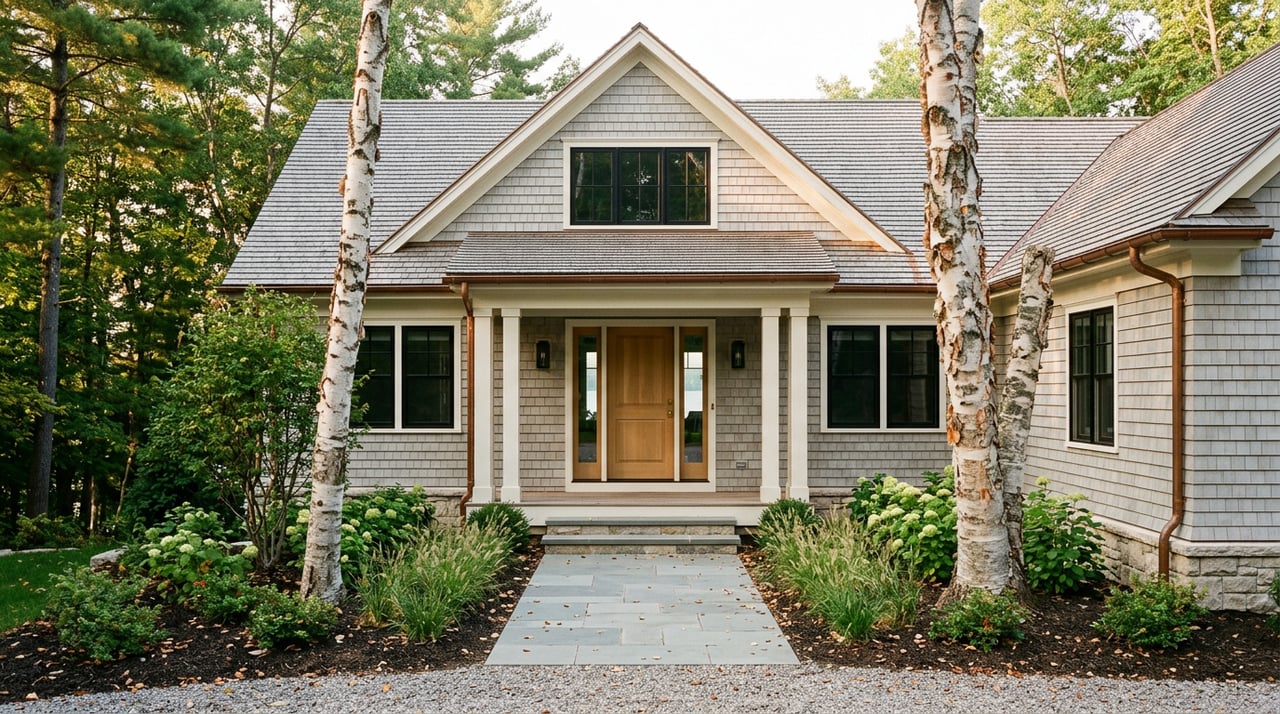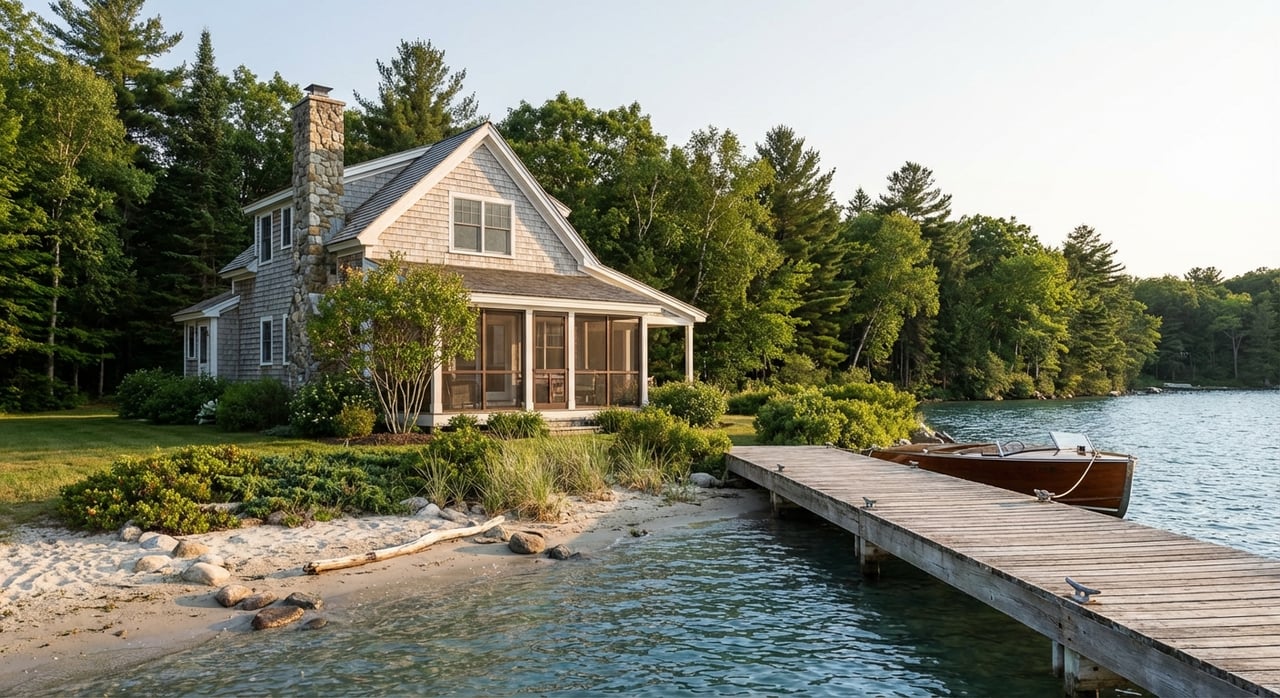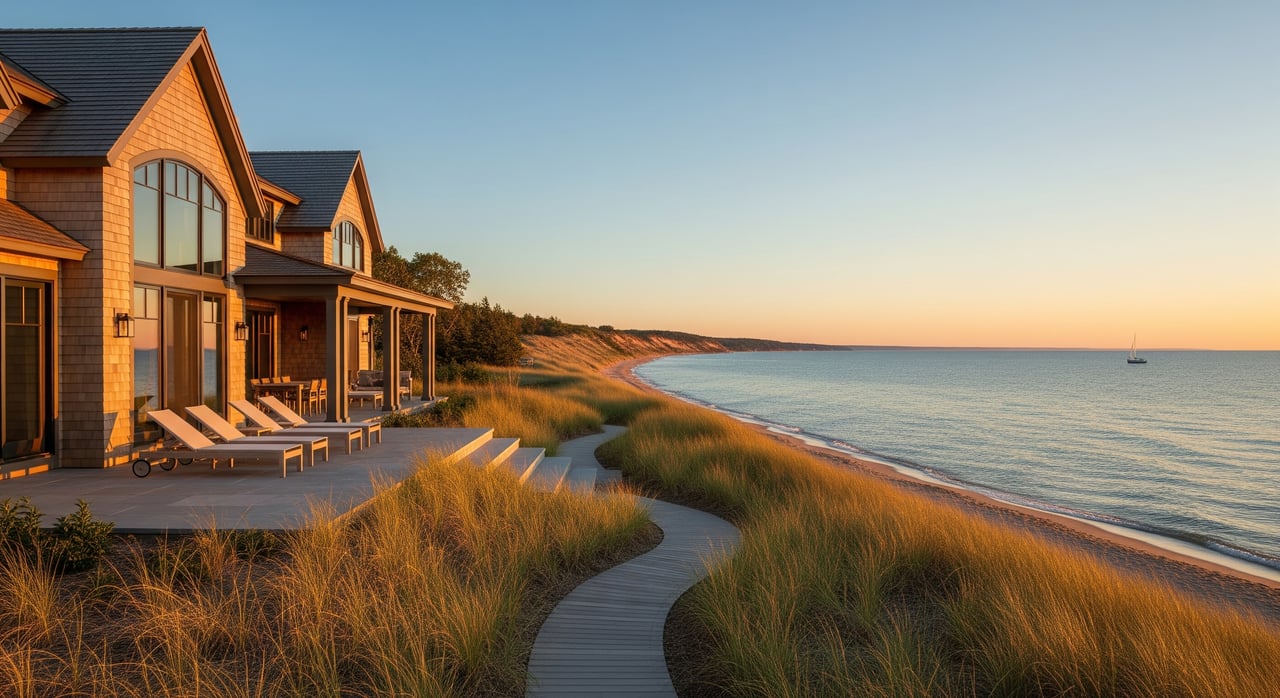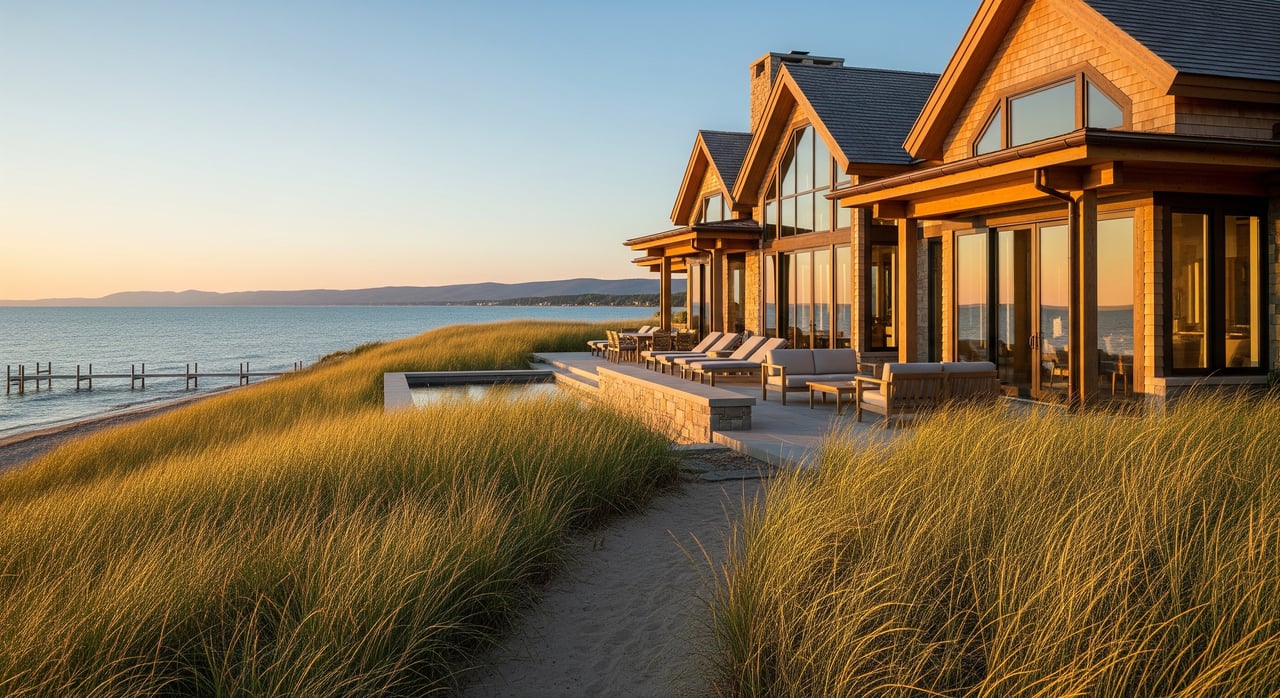
Picture stepping off your porch and onto a quiet path that opens to a Lake Michigan beach, with trails and dunes minutes from your door. If you are considering a second home in Glen Arbor, you want the best of both worlds: natural beauty and a low-key village hub. You also want a clear picture of the seasonal rhythm, daily life and ownership logistics. This guide walks you through what it really feels like to own here, plus the practical steps that help you buy with confidence. Let’s dive in.
Why Glen Arbor draws second-home owners
Glen Arbor sits beside Sleeping Bear Dunes and Lake Michigan, with a compact village center that makes daily life simple. You get beaches, dunes and inland lakes close by, with dining and galleries in town. The setting suits you if you value privacy, outdoor time and a small-town feel without being too remote.
Traverse City is your regional hub for flights, hospitals and big-box shopping. Plan on a 40 to 60 minute drive depending on traffic and route. Many owners pair long summer stays with shorter shoulder-season trips, using Glen Arbor as a base for hiking, paddling and wine tasting across the Leelanau Peninsula.
Seasonal rhythms: what to expect
Glen Arbor is highly seasonal. Summer brings energy and visitors tied to the national lakeshore. Spring and fall are quieter with great color and calmer trails. Winter is peaceful but can be snowy and cold, with fewer open businesses and a real need for winter-ready systems and services.
Summer: beaches, boats and village life
Summer is peak season. You will find easy access to Big Lake beaches, scenic overlooks and dune hikes, along with protected inland lakes and the Platte River for paddling.
- Beach days and dune hikes are part of most weekly routines.
- Boating and paddle sports are popular on Lake Michigan and inland waters.
- In-town dining, shops, art galleries and farmers markets are busy and convenient.
- Day trips to nearby wineries round out the week for many owners.
Spring and fall: quiet and colorful
Shoulder seasons are a favorite time for second-home owners who prefer space and slower weeks. You will see reduced hours at some businesses, but trails, scenic drives and tasting rooms are easier to enjoy.
- Spring brings wildflowers and cool-weather hiking.
- Fall delivers leaf color and harvest events across the peninsula.
- Longer weekend stays are common to avoid peak crowds.
Winter: peaceful and prepared
Winter offers cross-country skiing, snowshoeing and quiet woods. Many village businesses scale back or close until spring. If you plan winter visits, you will want reliable snow removal and well-maintained heating, plumbing and backup systems.
- Expect lake-effect snow and cold snaps.
- Plan for plowed access and emergency supplies.
- Many owners rely on local property managers for check-ins and service coordination.
Ownership logistics: costs and services
Glen Arbor’s most sought-after properties are waterfront or close to the village, and they tend to command premium pricing compared with inland parcels. County and township taxes vary by location, so confirm current millage and assessments before you buy. If you are evaluating a property, build a careful budget for utilities, insurance and year-round care.
Key cost areas to review:
- Property taxes and assessments in the township that covers the parcel.
- Insurance, including wind and hail coverage, and flood insurance if required.
- Utilities, especially for homes on well and septic systems.
- Recurring care like winterization, septic service, landscaping, dock work and snow removal.
Utilities and maintenance checklist
Many second homes here use well water and septic systems. Waterfront exposure, freeze-thaw cycles and wind can add wear to roofs, siding and shoreline structures. A simple checklist helps you manage risk and cost.
- Inspect well yield and septic condition, and verify permits and past service.
- Service furnace and hot water systems before winter.
- Winterize plumbing if you will be away for extended periods.
- Consider propane and a backup generator for outages.
- Add remote temperature and leak sensors for peace of mind.
- Line up snow removal, seasonal dock work and landscaping.
Short-term rentals: rules and revenue
Short-term rentals can offset costs, but they are regulated. Rules vary by township and can change, and some areas require permits and lodging taxes. If rental income is part of your plan, verify current zoning, STR ordinances and permit steps with the township and county before you buy. You may also want local property management for guest turnover, maintenance and compliance.
Waterfront and environmental factors
Lake Michigan is a gift, but it brings responsibilities. Changing lake levels and storms can affect shorelines and structures. If you are buying on or near the water, make sure you understand setbacks, shoreline protections and any required permits. Review current flood maps for insurance needs, and ask qualified contractors about erosion control options that meet state and local rules.
- Verify shoreline, wetland and dune protections for your parcel.
- Check FEMA flood maps and discuss insurance with your carrier.
- Confirm zoning for docks, accessory buildings and setbacks.
Glen Arbor vs. nearby villages
You may also tour Leland, Suttons Bay and the far north peninsula before choosing your spot. Each delivers a different pace and access profile.
- Glen Arbor: Dunes and Big Lake access with a compact village core. Quiet neighborhoods with outdoor focus.
- Leland: Historic harbor and lively Fishtown district with more shopping and summer crowds.
- Suttons Bay: Strong year-round services and shorter drives to Traverse City, but less immediate dune access.
- Northport and the far north: Rural, pastoral and very quiet, with longer drives for services.
If you want dunes and beaches at your doorstep and a walkable village without heavy bustle, Glen Arbor hits the sweet spot.
Is Glen Arbor right for you?
If you picture long summer days on the water, easy trail access and low-stress trips into town for dinner, Glen Arbor fits well. If you also want quieter shoulder seasons and are willing to plan for winter operations, you can enjoy the area across all four seasons. The final step is aligning the property type and location with your goals, whether that is Big Lake frontage, an inland-lake dock, or a village home that keeps every outing within a short stroll.
Ready to explore the right pocket of Glen Arbor and run an ownership plan that covers taxes, insurance, maintenance and rental options? Connect with Peter Fisher for local guidance, discreet search support and a clear path to closing.
FAQs
Is Glen Arbor good for year-round living if I need services nearby?
- Yes, but winter is quiet with reduced business hours; plan regular trips to Traverse City for larger medical, retail and travel needs.
How busy does Glen Arbor get in summer for second-home owners?
- Peak weeks bring heavy visitation tied to Sleeping Bear Dunes; choose back roads or inland locations if you prefer more privacy during July and August.
What should I budget for maintaining a second home in Glen Arbor?
- Plan for winterization, septic service, snow removal, landscaping, dock work and routine system checks, plus higher insurance if you are near the water.
Can I short-term rent my Glen Arbor property to offset costs?
- Possibly, but rules vary by township and can change; confirm zoning, permits and any lodging taxes with local authorities before you buy or list.
How far is Glen Arbor from Traverse City for flights and hospitals?
- Expect a 40 to 60 minute drive depending on route and traffic to reach Cherry Capital Airport and larger medical centers in Traverse City.
What should I check before buying waterfront in Glen Arbor?
- Review flood maps and insurance needs, verify shoreline and dune protections, confirm setbacks and dock rules, and assess erosion risks with qualified pros.