If you are preparing to sell a family cottage in Leland, you are probably dealing with more than paint colors and listing photos. A legacy property often carries decades of memories, shared decisions, and a strong connection to the shoreline. The good news is that a successful sale usually comes down to preparation, documentation, and clear strategy, not perfection. Let’s dive in.
Why a Leland cottage sale feels different
In Leland, buyers are often drawn to more than the house itself. They are paying close attention to the setting, shoreline use, boating access, and the overall feel of the property in a village shaped by the harbor, beaches, and Historic Fishtown.
That matters when you sell a legacy cottage. In many cases, you are not just marketing square footage. You are presenting a property that sits within one of Leelanau County’s most recognizable waterfront settings, where history, seasonal living, and long family ownership often shape both value and emotion.
Start with authority and ownership
Before you think about staging or repairs, confirm who has legal authority to sell. Legacy cottages are often owned by siblings, heirs, a trust, or a long-standing family partnership, so the first practical step is making sure the right party or parties can sign.
This can be especially important when the property was inherited or is being handled through an estate or trust. Michigan’s Seller Disclosure Act includes exceptions for certain probate-related and fiduciary transfers, which is one reason early coordination with the closing attorney or title company can help prevent delays later.
Gather records before you list
A well-prepared seller package can reduce surprises and help buyers feel more confident. For an older cottage, that often means collecting records related to the well, septic system, permits, inspections, repairs, and any known property issues.
The Benzie-Leelanau District Health Department notes that records may go back as far as the 1960s. For a cottage that has stayed in one family for many years, those records can be especially useful when you are piecing together the property’s history before going to market.
Focus on assembling documents such as:
- Well and septic records
- Past permits and inspections
- Water test results
- Roof, drainage, or foundation repair records
- Shoreline or dock-related permits, if applicable
- Documentation for any remodels, additions, or system updates
Understand Michigan disclosure rules
Michigan’s Seller Disclosure Act applies to the transfer of 1 to 4 residential dwelling units and requires a written disclosure statement before the seller signs a binding purchase agreement. If the disclosure is delivered late, the buyer may have a limited right to terminate the agreement.
The disclosure form is especially important for legacy cottages because it asks about issues that often come up in older waterfront homes. These include water in a basement or crawl space, roof leaks, well history, septic condition, drainage concerns, flood or storm damage, easements, encroachments, unpermitted work, zoning violations, and shared features such as driveways.
The form also makes an important point: it is not a warranty, and it does not replace inspections. Your role is to answer in good faith and disclose what you know honestly.
Be honest about moisture and deferred maintenance
A seasonal cottage can show wear in very specific ways. Homes that are closed up part of the year may develop musty smells, mildew, damp crawl spaces, or ventilation issues that are easy to ignore when a property has been used casually by family for years.
Before listing, focus on moisture control and visible maintenance. Dehumidification, ventilation, gutter cleanup, and simple drainage fixes can make a meaningful difference, especially since Michigan’s disclosure form asks specifically about water evidence in basements and crawl spaces.
Trying to hide moisture problems is risky and usually backfires. Buyers are encouraged to obtain professional inspections, and the disclosure materials specifically mention indoor air and water quality along with signs of mold, mildew, and bacteria.
Plan early for well and septic requirements
In Leelanau County, timing matters. The Benzie-Leelanau District Health Department requires a Time of Transfer evaluation for homes with onsite wells or septic systems before the sale is final.
This process can take time. The department says the process can take 3 to 4 weeks, and its 2024 average turnaround was 7 business days to complete the inspection plus 13 business days to issue the report.
If your cottage is on municipal water and sewer, this sewage-and-well evaluation is not required. If the property has an onsite system, however, it is a key planning step and one of the main reasons sellers should start early.
There may be exemptions in some cases, including when a system was installed or inspected within the prior 36 months and when acceptable water samples were collected within 6 months. Still, it is wise to verify the property’s status well before you expect an offer.
Be careful with pre-listing improvements
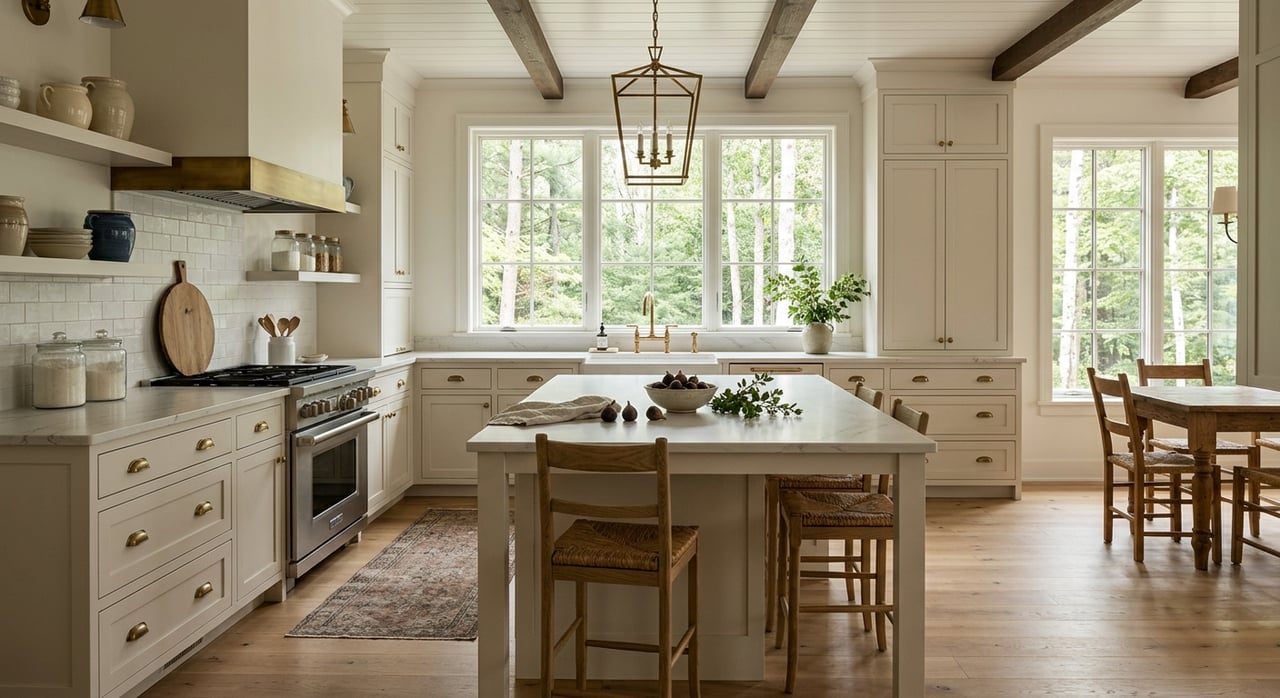
For most legacy cottages, the best pre-listing updates are the ones that reduce uncertainty rather than chase a major renovation. Fresh paint, repaired trim, improved lighting, working hardware, deep cleaning, and decluttering usually provide a better return than launching into a full redesign right before sale.
This approach also fits the realities of disclosure. If you know about a moisture issue, a repair, or unpermitted work, it is better to document and address it appropriately than to cover it up with cosmetic finishes.
If you are considering a remodel before listing, be thoughtful. The health department notes that a remodel review may be required if a change in use, added bedrooms, or a larger footprint could increase wastewater flow or encroach on an existing septic system or well.
Respect shoreline rules
In Leland, shoreline presentation can influence buyer interest, but shoreline work is not something to treat casually. If your cottage fronts Lake Michigan, work involving docks, boat lifts, seawalls, dredging, filling, or other activity on Great Lakes bottomlands can require a permit from EGLE.
For inland lakes and streams, EGLE says certain construction activities at or below the ordinary high-water mark also require a permit. It also recommends natural shoreline treatments or bioengineering rather than heavy hardscape solutions where possible.
That means there is a big difference between tidying outdoor spaces and making regulated shoreline changes. In most cases, sellers are better served by cleaning up the property, clarifying access, and organizing outdoor areas rather than starting a last-minute shoreline project.
Stage the lake lifestyle thoughtfully
In a place like Leland, buyers often respond to the property’s relationship to the water just as much as they respond to interior finishes. Your staging should help that story come through clearly.
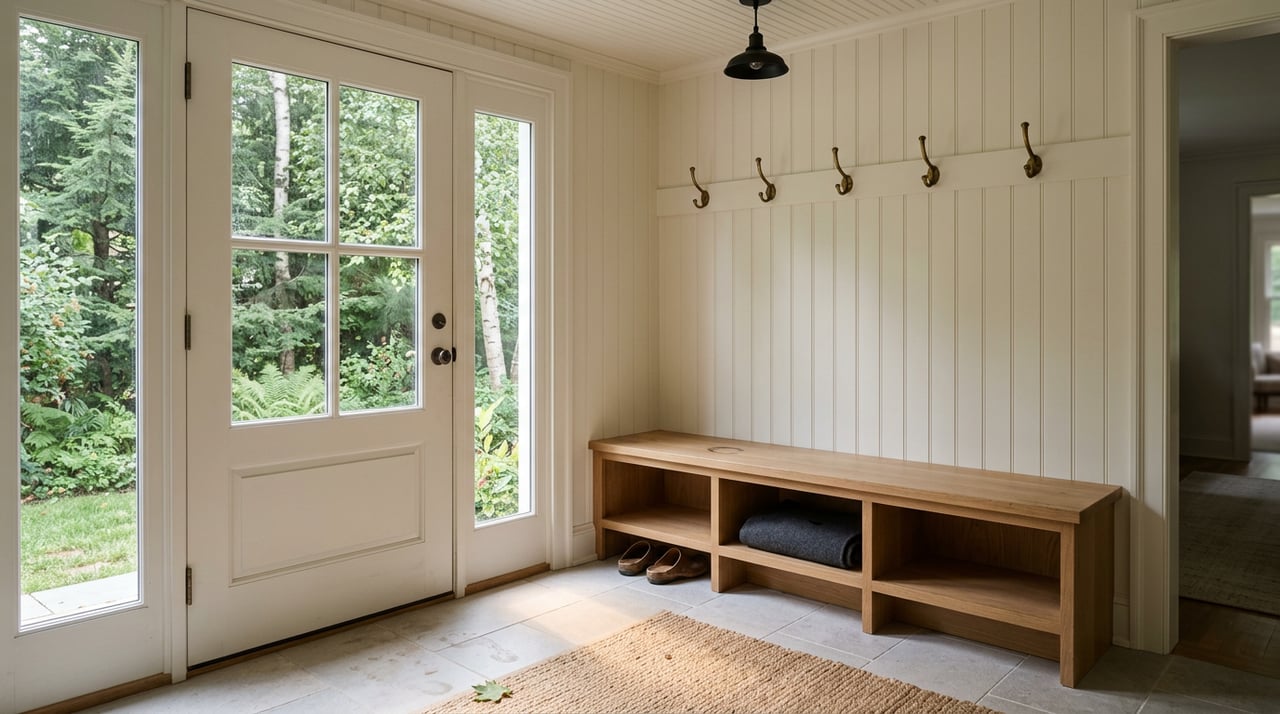
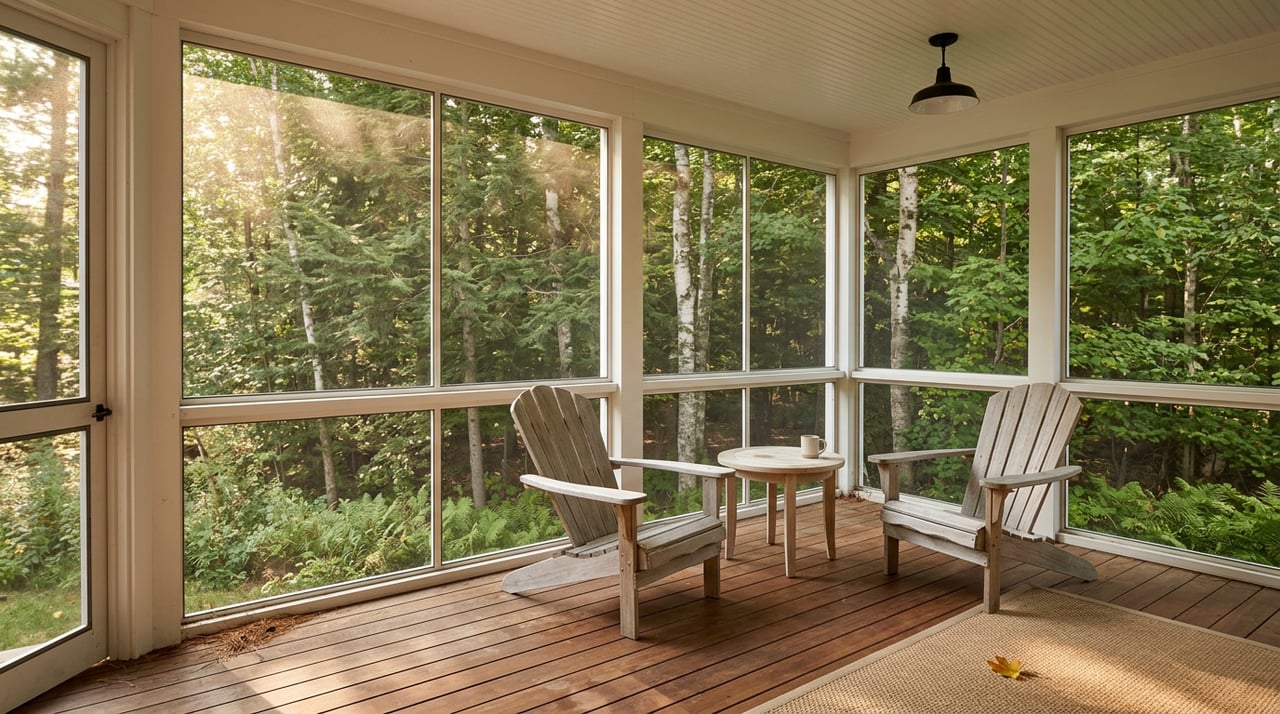
Start by opening sightlines and removing visual clutter. Make porches, decks, and seating areas feel functional, and keep paths, entry points, and water-facing outdoor spaces orderly and easy to understand.
You do not need to force a luxury makeover to create impact. In many cases, a clean, calm presentation that highlights shoreline views, outdoor living, and a well-cared-for cottage is more persuasive than over-styling.
Watch for lead-paint rules in older homes
If the cottage was built before 1978, federal lead-based paint disclosure rules usually apply. Before the contract is signed, sellers and agents must disclose known lead-based paint information, provide available records and reports, give the EPA pamphlet, and offer the buyer a 10-day period for lead inspection or risk assessment unless that right is waived.
For many legacy cottages, this is simply part of the normal prep process. If you have old reports or records, gather them early so they are ready when a buyer moves into due diligence.
Prepare for tax and closing questions
A family cottage that has been held for many years can raise tax and closing questions that do not come up in a standard sale. Transfer timing may affect taxes, assessments, and closing logistics, and buyers should not assume their future property-tax bill will match the seller’s current bill.
The tax side can vary widely depending on how the property was used. A main home, inherited property, or cottage that was rented or converted from personal use to rental use can each create different basis, depreciation, or gain considerations.
This is why good recordkeeping matters. If your property has trust, estate, inheritance, rental, or mixed-use history, gathering documents early and consulting legal and tax professionals can help you avoid costly surprises once an offer is on the table.
A practical selling sequence
If you want a cleaner path to market, use a simple planning order. In Leland, this type of sale is usually won by early coordination and thoughtful presentation.
A strong sequence looks like this:
- Confirm title and signer authority
- Gather permits, repair history, and system records
- Schedule the well and septic evaluation if the property uses onsite systems
- Complete light cosmetic repairs and moisture-control basics
- Stage the property around views, outdoor living, and access
- Prepare disclosures carefully and honestly
Why preparation matters more than perfection
Many sellers assume they need to modernize every inch of a legacy cottage before listing. In reality, buyers in Leland often appreciate character, setting, and authenticity, especially when the property has been well maintained and clearly represented.
The better strategy is usually to reduce uncertainty. When you document what you know, address obvious maintenance, respect shoreline rules, and align the ownership, title, and tax pieces early, you put yourself in a much stronger position when serious buyers begin comparing options.
Selling a legacy cottage can be emotional, but it can also be handled with clarity and care. If you want a thoughtful plan for pricing, presentation, and timing in Leland or anywhere in Leelanau County, Peter Fisher offers a consultative approach grounded in local market knowledge and full-service support.
FAQs
Does a cottage in Leland need a well and septic transfer evaluation?
- If the property has onsite well or septic systems, the Benzie-Leelanau District Health Department requires a Time of Transfer evaluation before the sale is final. If the home is on municipal water and sewer, that evaluation is not required.
What should you disclose when selling an older cottage in Michigan?
- Michigan’s Seller Disclosure Act requires sellers of 1 to 4 residential dwelling units to provide a written disclosure statement and answer known conditions in good faith, including issues related to water intrusion, septic or well history, roof leaks, drainage, easements, encroachments, and unpermitted work.
Should you renovate a legacy cottage in Leland before listing?
- In many cases, light updates such as paint, cleaning, repairs, lighting, and decluttering are more effective than a major renovation, especially when the goal is to reduce buyer uncertainty and present the property as well cared for.
Can you do shoreline work right before selling a Leland waterfront cottage?
- Some shoreline work may require EGLE permits, including certain activities involving Great Lakes bottomlands or construction at or below the ordinary high-water mark on inland lakes and streams, so sellers should verify requirements before starting projects.
What records should you gather before selling a family cottage in Leelanau County?
- Start with title information, signer authority, well and septic records, permits, inspections, water test results, repair history, and any available reports related to shoreline work, remodeling, or older property systems.
Does selling an inherited cottage in Leland create special tax issues?
- It can, because inherited, trust-held, main-home, rental, or mixed-use properties may each involve different basis, gain, or depreciation considerations, so it is smart to organize records early and consult the appropriate professionals before listing.