If you are drawn to Glen Lake, you are probably not just shopping for a house. You are trying to understand a lifestyle shaped by clear water, limited shoreline, and a setting closely tied to Sleeping Bear Dunes. The details matter here, because two homes that both sound “near the lake” can offer very different day-to-day experiences. Let’s dive in.
Why Glen Lake feels different
Glen Lake has a distinct second-home feel because the setting is unusually scenic and recreation-driven. The National Park Service says the lake was formed by glacial erosion and is fed by clear groundwater rather than runoff, which helps explain the water clarity many buyers notice right away.
The lake is also split visually by the narrows bridge into Big Glen and Little Glen. According to the National Park Service, Big Glen reaches about 130 feet deep in places, while Little Glen is much shallower at about 12 feet deep. That physical difference shapes how different parts of the lake look and feel.
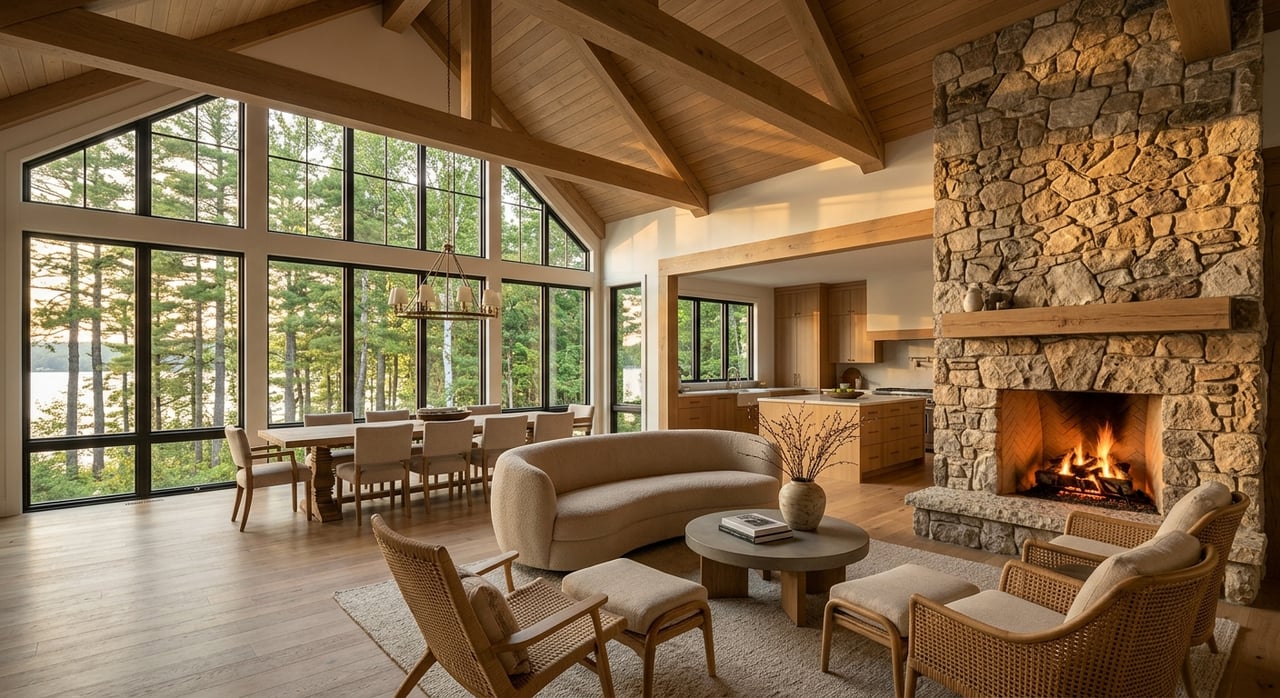
In practical terms, buying near Glen Lake is often about more than square footage or bedroom count. You are also weighing views, shoreline character, access patterns, and how easily you can enjoy the water on a normal summer day.
Leelanau County adds to that appeal. The Library of Michigan notes that the county has 100 miles of shoreline and 33 inland lakes, which helps explain why this area attracts both second-home buyers and people looking for a year-round lifestyle centered on water and outdoor recreation.
Direct waterfront vs near-lake living
This is the most important distinction for many buyers. A direct waterfront property touches the lake, while a near-lake property may sit close to the water without owning shoreline.
That difference affects how you use the lake, what rights come with the property, and what compromises you may need to accept. In Glen Lake, those details can have a major impact on value and convenience.
What direct waterfront usually means
Direct waterfront ownership generally gives you the most control over daily lake use. Michigan riparian guidance explains that riparian rights belong to parcels that directly touch the water.
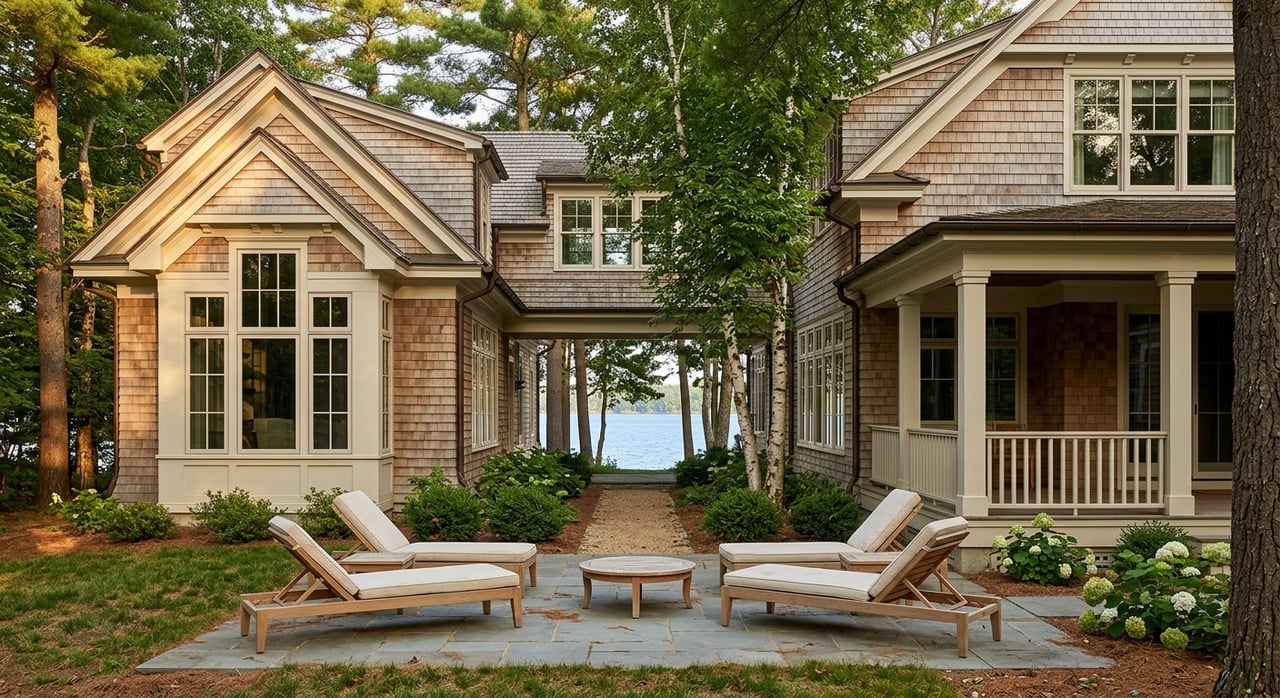
For many buyers, that translates into easier lake access, more privacy, and more convenience around docking and shoreline use. If your goal is spontaneous mornings on the water, direct frontage is often the simplest fit.
That said, waterfront ownership also comes with more responsibility. The Michigan Department of Environment, Great Lakes, and Energy regulates activities such as dredging, filling, structures on bottomlands, marinas, and other work that affects inland lakes, so future shoreline plans should always be reviewed carefully during due diligence.
What deeded access may include
A home with deeded access or an easement can still offer meaningful lake enjoyment, but it is not the same as direct frontage. Michigan riparian guidance says back-lot owners do not have riparian rights, though they may have limited use through an easement or deeded access.
The key phrase is limited use. The exact rights depend on the recorded language, and buyers should understand whether access includes things like pedestrian use, parking, dock rights, or launch capability.
On Glen Lake, this matters even more because the National Park Service says most of Little Glen’s shoreline is private property. If you are considering a near-lake or access property, it is worth understanding every detail before you assume how flexible that access will be.
What public access means for buyers
Public access can be enough for some second-home buyers, especially if you care more about being near the lake than controlling shoreline. The Sleeping Bear Dunes visitors bureau says Big and Little Glen are accessible from public launches in Glen Arbor.
The National Park Service also notes that Little Glen access across from the Dune Climb includes parking, restrooms, picnic tables, and a canoe or kayak launch. For some buyers, that setup works well for occasional lake days without the cost of direct frontage.
Still, public access usually means more planning and less spontaneity. You may need to think more about timing, parking, gear, and how often you want to launch or carry equipment.
Property types around Glen Lake
The 49636 market is not one single product type. Current listing activity shows a mix of condos, vacant parcels, and detached homes in the same zip code, which tells buyers they may have several ways to enter the market depending on budget and goals.
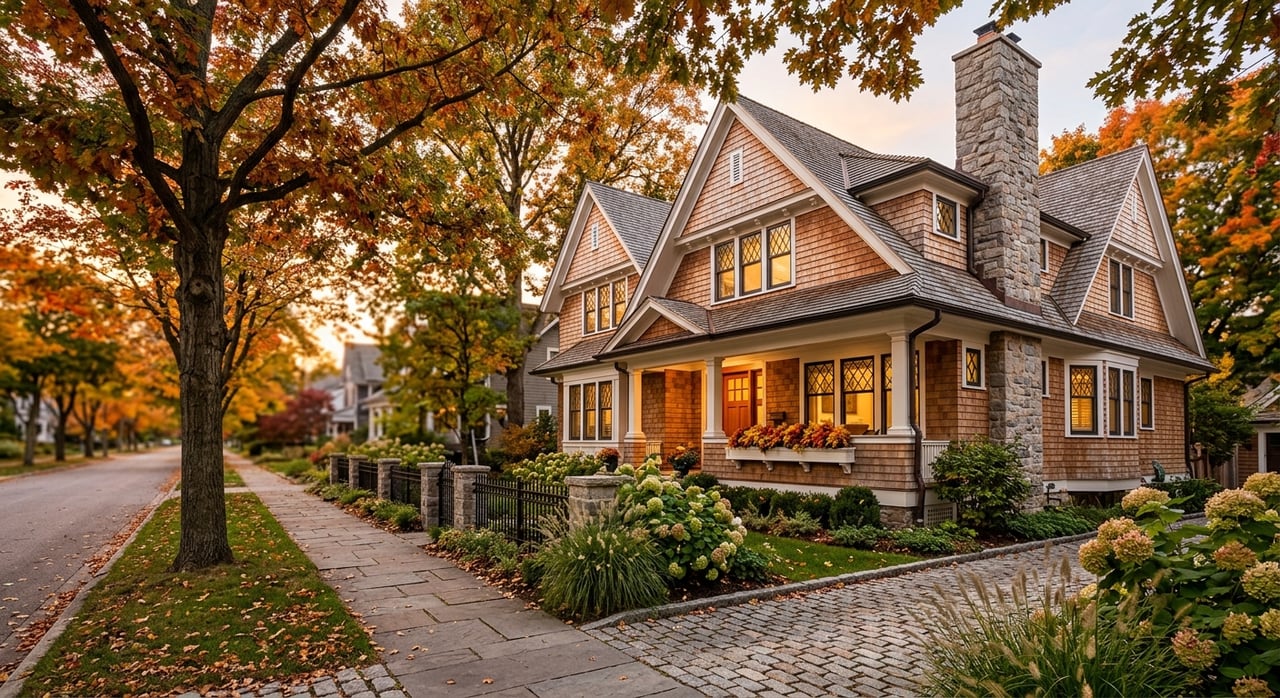
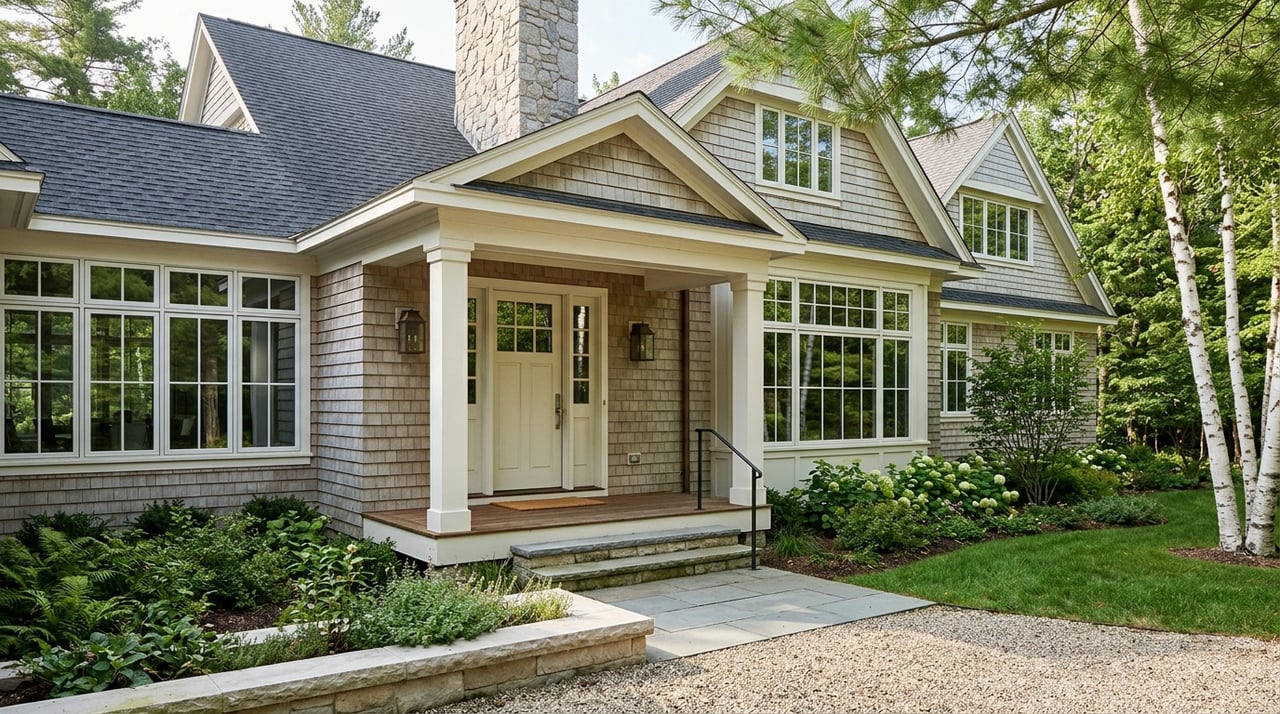
That mix is part of what makes the area appealing. You may find a low-maintenance condo, a build site for a future custom home, a classic cottage-style property, or a year-round residence with proximity to the water.
The Library of Michigan also references the historic cottages of Glen Lake, which is a useful reminder that cottage-style homes have long been part of the area’s identity. Today, it is reasonable to think of the local housing mix as a resort-market blend of cottages, condos, year-round homes, and build sites.
Where value often separates
In general, direct water proximity tends to create a premium, but not all “close to the lake” properties are valued the same way. A property that controls shoreline is different from a property with deeded access, and both are different from a property that is simply nearby.
That is why buyers should look beyond marketing language. The right question is not just “How close is it?” but “What can I actually do with this location and access?”
What the current market suggests
Market data points to a thin and competitive market in 49636. Redfin reports a March 2026 median sale price of $395,000, median days on market of 32, and describes the area as very competitive, with many homes receiving multiple offers and selling at about 2% below list price on average.
At the same time, Realtor.com reports a median listing price of $1.425 million, median days on market of 47, and 21 active listings. Because those are different lenses on the market, the clearest takeaway is that inventory is limited and highly segmented by property type and location.
That matters if you are searching around Glen Lake. Waterfront, access-front, near-lake, condo, and vacant land opportunities do not compete in exactly the same way, even within the same zip code.
Price range can vary widely
Current listings show a wide spread, from parcels under $200,000 to homes above $1 million. That range supports what many buyers discover quickly: Glen Lake-area pricing depends heavily on whether a property has shoreline control, access rights, or simple proximity.
Lakefront and access-front homes often attract the most attention. Near-lake homes without shoreline rights may compete more on condition, convenience, and overall value.
For buyers, that creates both opportunity and complexity. You may be able to stay close to the lake without paying for full frontage, but you will want to be very clear about the tradeoff you are making.
Waterfront ownership includes stewardship
Owning on or near the lake is not only about purchase price. It also means understanding maintenance, shoreline care, and what changes may require approvals.
The Michigan Department of Natural Resources notes that lakefront infrastructure can contribute to erosion, nutrient runoff, and reduced habitat, and it encourages natural shoreline approaches. That is an important point if you are thinking about retaining walls, shoreline cleanup, or outdoor improvements.
EGLE also notes that inland-lake projects involving dredging, filling, bottomlands, marinas, or flow changes fall under its permitting program. If a property’s value to you depends on future shoreline work or dock-related changes, that should be part of your due diligence early in the process.
A few local boating details
Small local details can make a difference in how you use the lake. The Michigan DNR notes slow-no-wake restrictions in the Glen Lake and Little Glen Lake channel around the M-22 bridge.
The public launch site for Glen Lake is listed with 20 parking spaces. For some buyers, that is just a minor planning point. For others, especially those considering a public-access lifestyle, it is part of understanding how easy lake use will feel during busy periods.
How to evaluate a Glen Lake property
When you compare homes in this area, it helps to think in layers. Start with the big question of how you want to use Glen Lake, then work backward into the property type that supports that lifestyle.
A simple checklist can help:
- Do you want direct frontage, deeded access, or just close proximity?
- If there is deeded access, what exactly does the recorded language allow?
- If you are counting on docks or shoreline changes, what approvals may be required?
- Does the property fit seasonal use, year-round use, or future building plans?
- Are you paying for actual water rights, or mainly for location and view?
In a market this segmented, careful evaluation matters. The right property is often the one that matches your real habits, not just your ideal wish list.
For buyers navigating Glen Lake, that is where local guidance can make a real difference. A consultative approach helps you separate premium features from assumed ones, compare opportunities across waterfront and near-lake categories, and make a decision with more confidence.
If you are weighing Glen Lake waterfront, deeded access, or near-lake options in Leelanau County, Peter Fisher can help you evaluate the details, compare the tradeoffs, and find the property that fits the way you actually want to live.
FAQs
What does direct waterfront mean on Glen Lake?
- Direct waterfront means the parcel directly touches the lake, and riparian rights generally belong to that shoreline parcel.
What does deeded access mean for a Glen Lake home?
- Deeded access usually means you may have limited lake-use rights through recorded language, but the exact terms can vary and should be reviewed closely.
Is public access enough for a Glen Lake second home?
- Public access can work well for some buyers, especially if they want proximity to the lake without paying for shoreline ownership, but it usually requires more planning than direct frontage.
Do shoreline changes on Glen Lake require permits?
- Many shoreline or in-water changes may require review or permits through Michigan’s inland lakes and streams regulatory framework, especially for dredging, filling, structures, or bottomlands work.
Are Glen Lake property values all priced the same way?
- No, values can vary widely based on whether a property has direct frontage, deeded access, or simple proximity to the lake, along with property type and condition.